Why starting with Ledger matters
In the world of cryptocurrency, security starts with where you hold your private keys. Hardware wallets — small, air-gapped devices purpose-built to keep private keys offline — are the modern equivalent of a safe deposit box. Starting with Ledger means choosing a device and workflow designed to minimize exposure to online attacks, phishing, and other common threats. The following guide breaks down what you need to do to get started, what to expect during setup, and best practices for keeping access to your assets safer over time.
What you’ll need before setup
To set up a Ledger device and Ledger Live (the companion app), you’ll typically need:
- Access to a desktop or mobile device to download Ledger Live.
- A stable internet connection to download the official app and firmware updates.
- Your Ledger hardware device (for example: Ledger Nano models or Ledger Stax/Flex).
- A secure, private place to record and store your recovery phrase (also called seed phrase).
Step-by-step setup overview
Setup is straightforward but requires attention — treat the seed phrase with utmost care:
- Download Ledger Live: Get the official Ledger Live app for your platform. Always download from the official ledger.com domain.
- Power on and initialize the device: Follow on-device prompts to select language, set a PIN, and create or restore a wallet.
- Write down the recovery phrase: When the device displays your recovery phrase, write it down exactly in order on the recovery sheet and store it offline.
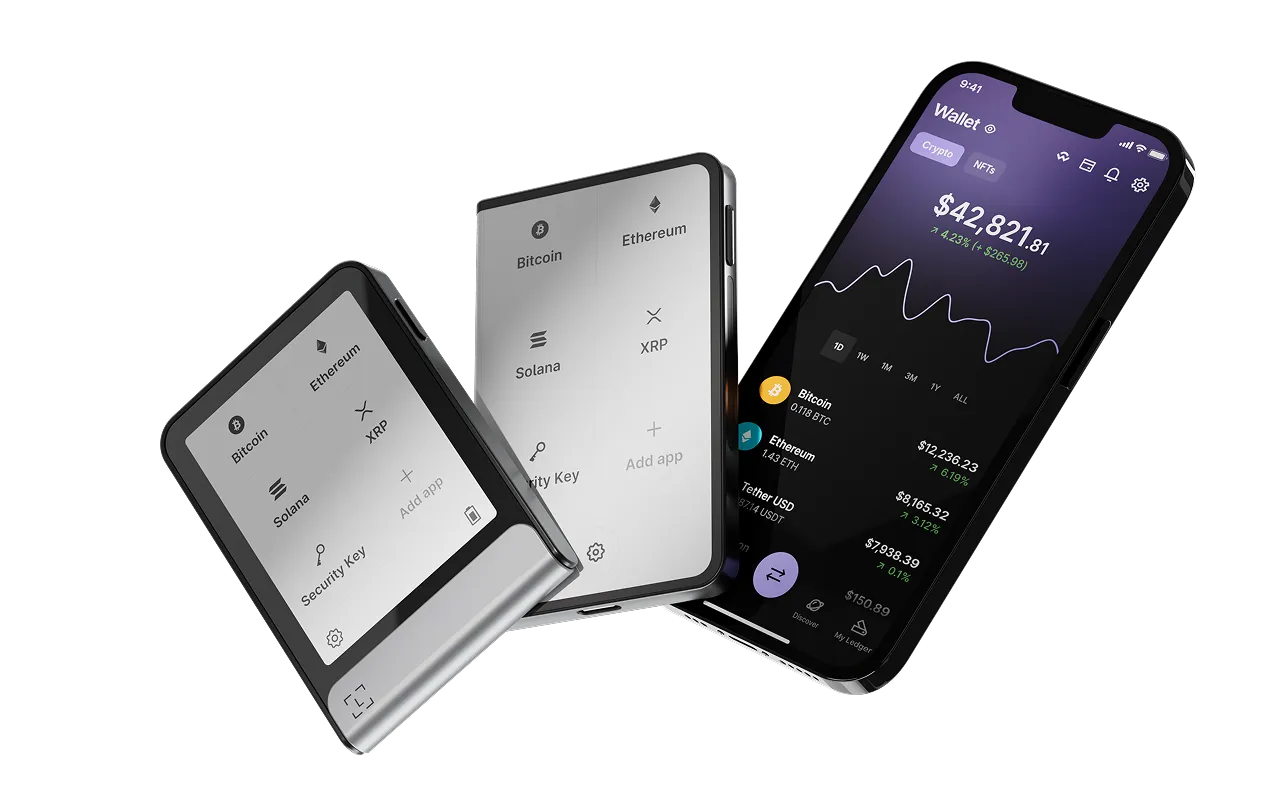
- Install apps within Ledger Live: Ledger Live lets you install blockchain-specific apps on your device to manage assets like Bitcoin, Ethereum, Solana, etc.
- Receive or transfer assets: Use Ledger Live to generate addresses and securely receive funds. Always confirm addresses on the device screen before sending.
Security and recovery best practices
Your recovery phrase is the single most important piece of information. If someone obtains it, they can access your funds. If you lose it, you may never recover your assets. Some practical recommendations:
- Never store your recovery phrase in plaintext on a computer or cloud account.
- Keep at least two physical backups in different secure locations (safes, safety deposit boxes).
- Consider metal backups for durability if you live in areas prone to humidity, fire, or other hazards.
- Never share seed words in screenshots, email, messages, or with anyone claiming to be support.
Integrating Ledger into your daily workflow
Ledger devices are designed to fit both long-term holders and active users. For hodlers, the device offers excellent cold-storage protection; for active users and builders, it supports integrations with many trusted wallets and DeFi interfaces. Use Ledger Live for portfolio overview, firmware updates, and managing apps. For advanced interactions, pair the device with vetted third-party wallets and dapps that explicitly support hardware wallets.
Common questions and trouble-shooting
If your device shows unexpected behavior, first consult official support resources. Typical fixes include updating Ledger Live, reinstalling the device firmware via the official flow, and verifying the integrity of downloads. Avoid following advice from unknown sources or links sent by strangers. If in doubt, use Ledger’s official support channels to verify instructions.
Long-term account hygiene
Periodically review installed apps, keep your firmware current, and rotate your security practices as you grow more experienced. Consider multi-device or multisig setups for very large holdings. Educate any trusted family members about the existence of a recovery plan (without revealing the recovery phrase) so they know how to reach help in emergencies.
Starting with Ledger is more than unboxing a device — it's committing to a secure, deliberate way to manage digital property. By following official setup steps, storing your recovery phrase securely, and adopting prudent long-term habits, you significantly reduce the most common types of losses and compromises seen in crypto. This foundation allows you to take advantage of the innovation in Web3 while keeping control of your private keys.